
SEO in 2026 is no longer about stuffing keywords or building random backlinks. Search engines now focus on user intent, topical authority, AI readability, and real user experience. If you want higher rankings and more traffic, your strategy must work for both humans and AI systems.
This guide explains advanced SEO tactics that help websites outrank competitors in 2026.
Focus on Search Intent First
Google’s AI systems understand what users want better than before. If your content does not match intent, rankings drop fast.
There are four main search intents:
- Informational
- Transactional
- Navigational
- Commercial
For example, someone searching “best gaming laptop under $1000” wants comparisons and recommendations, not history about laptops.
Before writing content:
- Study top-ranking pages
- Analyze headings
- Check featured snippets
- Look at People Also Ask questions
Build content around the exact user problem.
Create AI-Friendly Content Structure
AI search tools scan content differently from traditional crawlers. Structure matters more in 2026.
Use:
- Clear H1, H2, and H3 headings
- Short paragraphs
- Bullet points
- FAQ sections
- Simple language
- Semantic keywords
Content should answer questions quickly. AI systems prefer direct answers.
Example:
Instead of writing:
“SEO is considered one of the most effective marketing strategies.”
Write:
“SEO helps websites rank higher on Google and get free traffic.”
This improves readability for humans and AI models.
Build Topical Authority
Publishing random blogs no longer works.
Google ranks websites higher when they cover complete topics deeply.
For example, if your niche is jewelry SEO, create content clusters like:
- Jewelry SEO guide
- Local SEO for jewelry stores
- Ecommerce SEO for luxury watches
- Shopify SEO for jewelers
- Jewelry keyword research
- Product page SEO
Interlink all related pages.
This signals expertise and increases crawl efficiency.
Optimize for Google AI Overviews
Google AI Overviews are changing search results in 2026. Websites now compete for AI-generated citations.
To improve visibility:
- Add concise answers below headings
- Use statistics
- Include expert insights
- Add FAQs
- Use schema markup
- Write factual content
AI systems often pull content from pages with direct answers and strong authority.
Example format:
Question: What is topical authority?
Answer: Topical authority is an SEO strategy where a website covers a subject deeply through interconnected content.
This structure increases AI extraction chances.
Use Entity SEO
Search engines understand entities, not only keywords.
An entity can be:
- Brand
- Person
- Product
- Location
- Topic
Instead of repeating one keyword many times, include related entities naturally.
For example, in a blog about SEO:
- Google Search Console
- Core Web Vitals
- Backlinks
- Search intent
- Technical SEO
This improves semantic relevance.
Improve Core Web Vitals
User experience remains a major ranking factor.
A slow website loses rankings and conversions.
Focus on:
- Fast loading speed
- Mobile responsiveness
- Clean design
- Optimized images
- Better server response time
Use tools like:
- Google PageSpeed Insights
- GTmetrix
- Lighthouse
A website loading in under 2 seconds performs better in competitive niches.
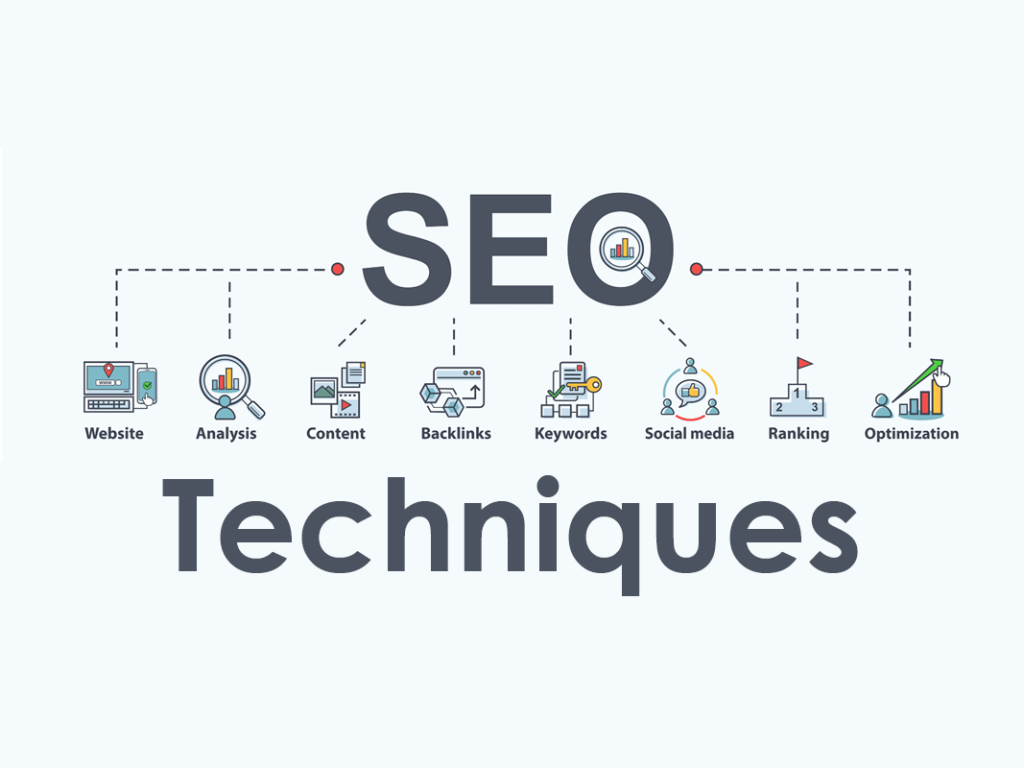
Build High-Quality Backlinks
Backlinks still matter, but quality beats quantity.
In 2026, spammy links hurt rankings faster because AI detects manipulation easily.
Focus on:
- Guest posting on authority sites
- Digital PR
- HARO backlinks
- Niche edits
- Linkable assets
Strong backlinks come from relevant websites in your industry.
One relevant backlink is better than 100 spam links.
Optimize for Voice and Conversational Search
People now search using natural language.
Example:
Old search:
“best seo tools”
New search:
“What are the best SEO tools for small businesses in 2026?”
Your content should include conversational phrases and question-based headings.
Add FAQ sections because voice assistants and AI search engines use them heavily.
Refresh Old Content Regularly
Freshness is a ranking signal.
Update old articles with:
- New statistics
- Better examples
- Updated screenshots
- Recent trends
- Internal links
Websites updating content regularly often outperform inactive competitors.
A content refresh can improve rankings without writing a new article.
Use Programmatic SEO Carefully
Programmatic SEO helps create large-scale pages using templates and data.
Examples:
- City pages
- Product pages
- Service location pages
But low-quality automated pages fail in 2026.
Every page should provide unique value.
Add:
- Custom descriptions
- Local information
- FAQs
- User-focused content
AI-generated thin content does not survive long-term rankings.
Strengthen Internal Linking
Internal links help Google understand page relationships.
Best practices:
- Link related blogs together
- Use descriptive anchor text
- Avoid orphan pages
- Add links naturally
Good internal linking improves crawl depth and user engagement.
Track User Behavior Signals
Search engines monitor user behavior closely.
Important signals include:
- Click-through rate
- Bounce rate
- Time on page
- Engagement
Improve these metrics by:
- Writing stronger titles
- Using clear introductions
- Adding visuals
- Improving readability
If users stay longer on your page, rankings improve over time.
Final Thoughts
SEO in 2026 is driven by AI, user intent, topical authority, and trust. Websites ranking at the top focus on helpful content instead of shortcuts.
To outrank competitors:
- Create deeply useful content
- Build authority in one niche
- Improve technical SEO
- Optimize for AI search systems
- Focus on user experience
The websites adapting early to AI-driven SEO will dominate search traffic in the coming years.
For further insights, check out these advanced SEO techniques to boost your rankings.